Etna Sicily
Wine reflects the place it comes from, and some of the world’s most fascinating wines are born in regions where natural conditions push human limits. From the steep slopes of active volcanoes to the wind-swept corners of Northern Europe, these extreme terroirs stretch the boundaries of viticulture. They challenge both the vines and the people who tend them, but the reward is wines that are distinctive, expressive, and truly memorable.
Here’s a look at ten of the world’s most extreme wine regions, where altitude, soil, climate, and sheer determination converge to create truly exceptional wines.
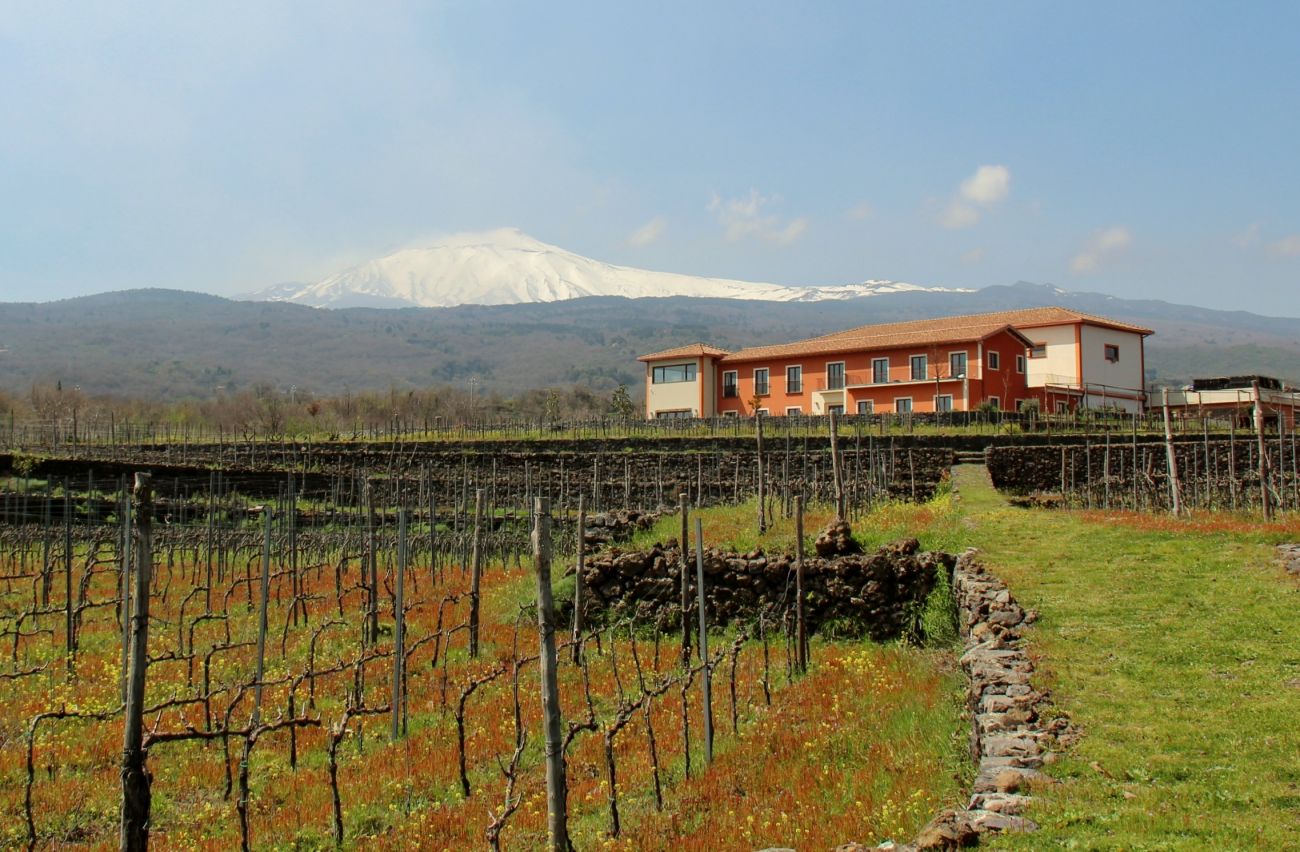
1. Etna (Sicily, Italy) - Volcanic soil & altitude
Why It’s Extreme: Vines grow on the slopes of one of the world’s most active volcanoes, Mount Etna. The terrain is steep, the soil is volcanic, and the elevation is high.
- Soil: Volcanic, rich in minerals, contributing to wines with distinct minerality and earthy complexity.
- Altitude: 600-1,000 meters (1,970-3,280 ft), offering cooler temperatures despite the southern location.
- Signature Grapes: Nerello Mascalese (red), Carricante (white).
- Wine Style: Elegant reds with smoky, mineral undertones and bright acidity; whites are zesty and saline with a volcanic edge.
2. Mendoza (Argentina) - High altitude & andean sunshine
Why It’s Extreme: Some of the highest vineyards in the world sit here, in the foothills of the Andes.
- Soil: Alluvial soils with sand, gravel, and rocks-great for drainage and grape concentration.
- Altitude: 750-1,500 meters (2,500-5,000 ft).
- Signature Grapes: Malbec, Cabernet Sauvignon, Chardonnay.
- Wine Style: Bold, deeply colored reds with dark fruit, floral notes, and firm structure; cool nights preserve acidity.
3. Priorat (Catalonia, Spain) - Schist soils & rugged terrain
Why It’s Extreme: Vines cling to steep, terraced hillsides of nutrient-poor slate (llicorella), in blazing Mediterranean heat.
- Soil: Schist-based, dry, and mineral-rich.
- Altitude: 300-700 meters (980-2,300 ft).
- Signature Grapes: Garnacha (Grenache), Carignan (Samsó).
- Wine Style: Deep, concentrated reds with bold tannins, dark fruit, and earthy minerality, often aged in oak.
4. Maipo Valley (Chile) - Andes proximity & volcanic power
Why It’s Extreme: The Andes create dramatic terroir contrasts, with rich volcanic soils and sharp elevation changes.
- Soil: Volcanic and alluvial, rich in minerals.
- Altitude: 600-2,500 meters (1,970-8,200 ft).
- Signature Grapes: Cabernet Sauvignon, Carmenère, Syrah.
- Wine Style: Rich, herbal reds with dark fruit, spice, and structure; Cabernet thrives here.
5. Ribera del Duero (Spain) - High elevation & brutal swings
Why It’s Extreme: This high plateau endures searing summer days and icy winter nights.
- Soil: A mix of clay, sand, and limestone, low in nutrients, which focuses the vine’s energy.
- Altitude: 800-1,200 meters (2,620-3,940 ft).
- Signature Grape: Tempranillo (locally called Tinto Fino).
- Wine Style: Dense, structured reds with black fruit, leather, and savory spice, ideal for long aging.
6. Tokaj (Hungary) - Noble rot & mineral-laced terroir
Why It’s Extreme: A rare combination of volcanic soils and the perfect microclimate for Botrytis cinerea (noble rot).
- Soil: Volcanic, mineral-rich, excellent drainage.
- Altitude: 200-400 meters (650-1,300 ft).
- Signature Grapes: Furmint, Hárslevelű.
- Wine Style: Luscious sweet wines with apricot, citrus, honey, and searing acidity. Tokaji Aszú is world-renowned.
7. Cahors (France) - Stony soil & southwest grit
Why It’s Extreme: Inland weather patterns and limestone-based soils give Malbec a bold, rustic edge.
- Soil: Limestone, clay, gravel, and silt.
- Altitude: 200-500 meters (650-1,640 ft).
- Signature Grape: Malbec (also known locally as Côt).
- Wine Style: Deeply colored, tannic reds with dark fruit, spice, and aging potential.
8. Lanzarote (Canary Islands, Spain) - Volcanic desert vines
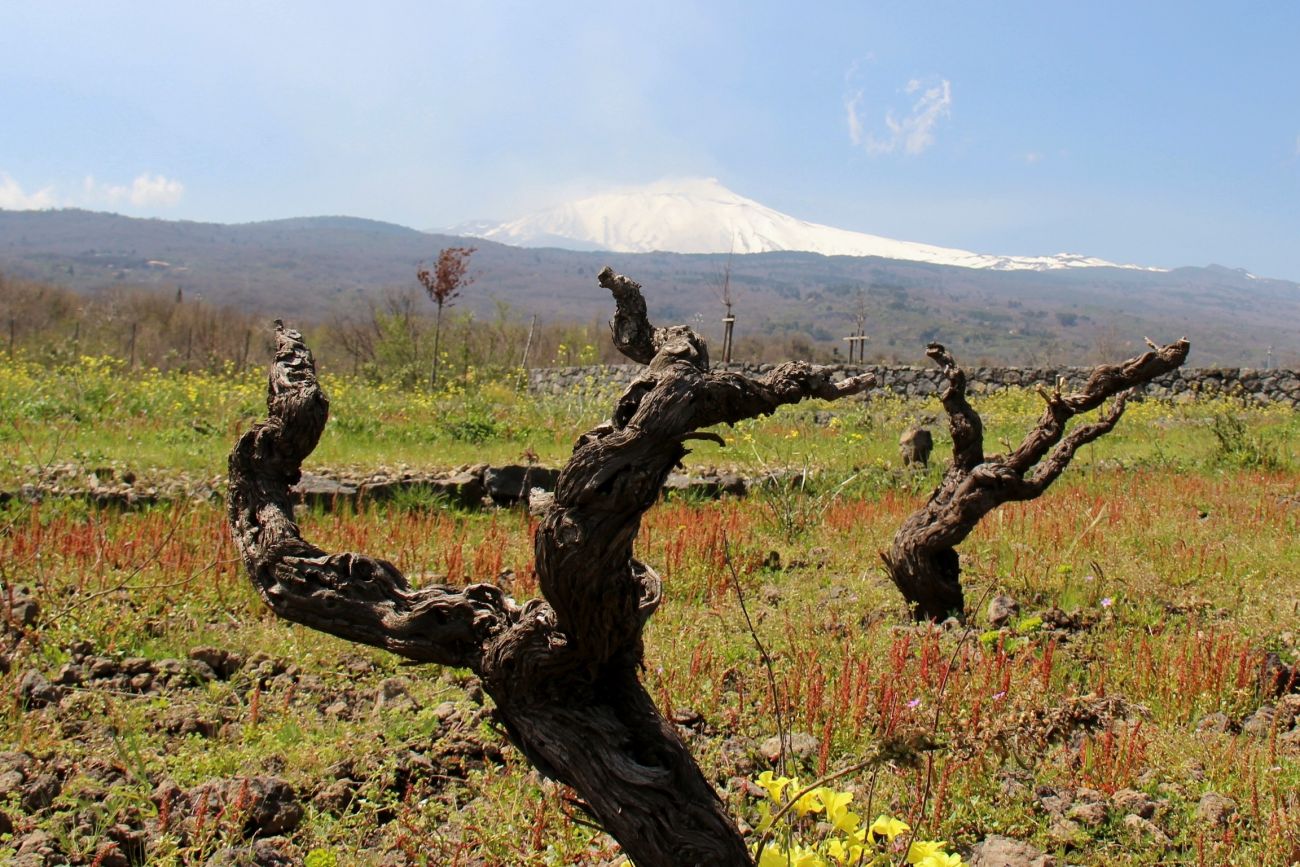
Why It’s Extreme: Wine from a lunar landscape, vines grow in craters surrounded by volcanic ash.
- Soil: Volcanic, covered in black ash that traps moisture.
- Altitude: ~400 meters (1,300 ft).
- Signature Grapes: Malvasía Volcánica (white), Listán Negro (red).
- Wine Style: Whites are bright, saline, and aromatic; reds are earthy, rustic, and bold. Vines are grown in protected “zocos.”
9. Valais (Switzerland) - Alpine terraces & steep slopes
Why It’s Extreme: Mountain vineyards clinging to steep terraces, worked entirely by hand.
- Soil: Alluvial, gravel, clay, and limestone.
- Altitude: 500-1,200 meters (1,640-3,940 ft).
- Signature Grapes: Chasselas, Petite Arvine, Pinot Noir, Humagne Rouge.
- Wine Style: Crisp whites with alpine minerality and fresh reds with delicate structure and herbal nuances.
10. Denmark – Cold climate & nordic resilience
Why It’s Extreme: A high-latitude nation embracing viticulture despite frost, short seasons, and unpredictable weather.
- Soil: Glacial moraine-sand, gravel, and clay with good drainage.
- Climate: Maritime, with long summer days and high disease pressure. Frost and rain are major concerns.
- Altitude: Mostly low-lying (0-150 meters / 0-490 ft).
- Signature Grapes: Solaris (white), Rondo (red), Muscaris, Regent.
- Wine Style: Whites are crisp, floral, and citrusy; reds are light-bodied with bright acidity. Sparkling wines are a growing strength. Most Danish wine is made organically or with minimal intervention.
Nature’s Challenge, Winemaking’s Triumph
These extreme regions prove that some of the most profound, exciting wines come from places where growing grapes seems nearly impossible. Whether it's volcanic rock, icy altitudes, or wind-blasted slopes, these landscapes forge wines of character, tension, and beauty.